
Patara Kum Tepesi
Activities & Tours
About
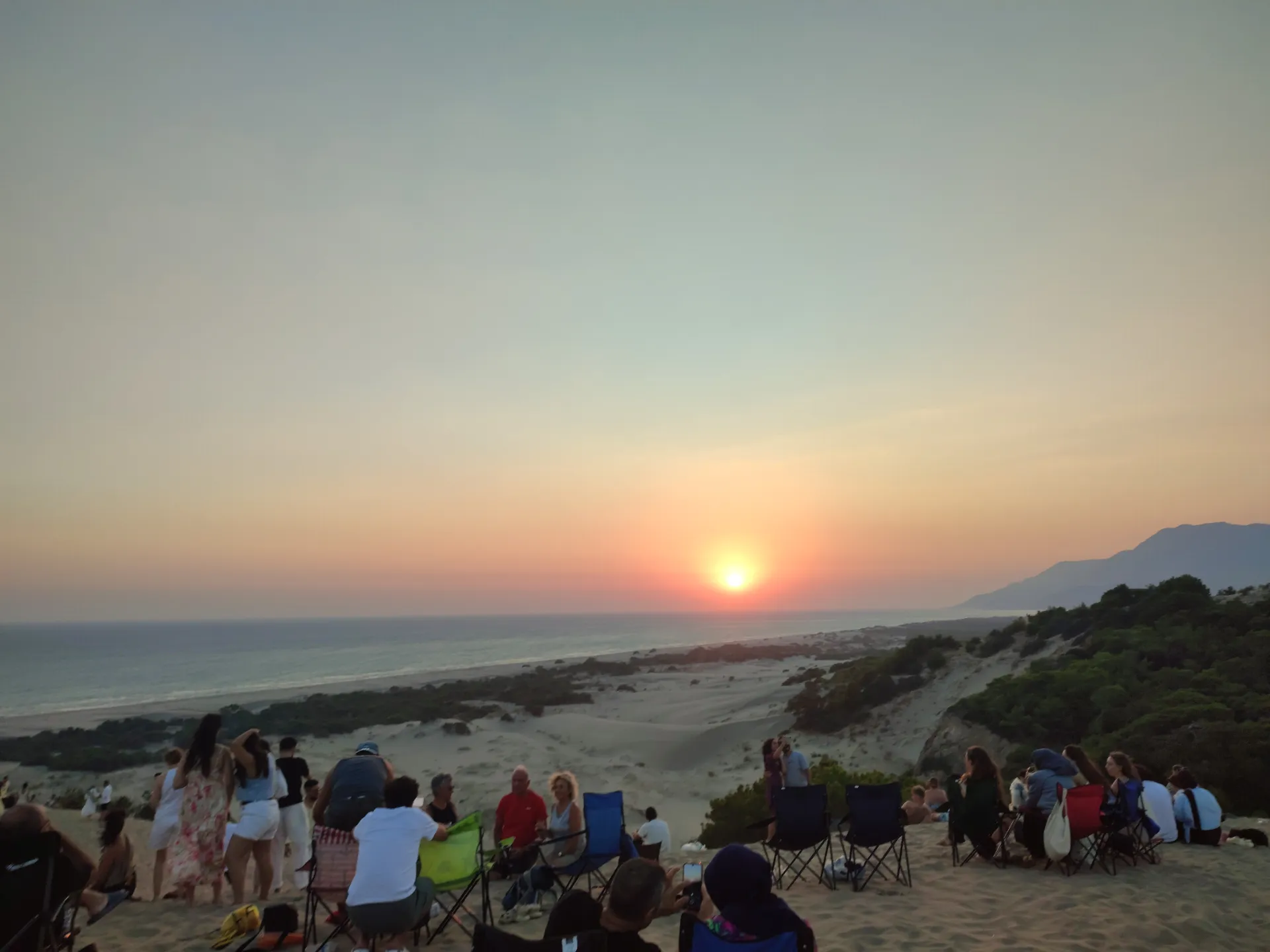
Patara Sand Dunes: The Golden Silence of the Mediterranean As you travel west from Kaş, you encounter more than just a beach. You discover a landscape shaped by wind, sand and time: the Patara Sand Dunes. On one side lies the deep blue Mediterranean. On the other, golden dunes stretch across the landscape. For a moment, you may feel as if you have left the Mediterranean coast behind and stepped into a distant desert. But Patara is much more than a spectacular place for photographs. Its dunes are part of a fragile coastal ecosystem and a protected natural environment. A landscape shaped by the wind Patara's dunes are never exactly the same. Wind continuously moves and reshapes the sand, creating subtle changes in the contours of the dunes over time. Visit at a different time of day—or return another year—and you may see a completely different landscape. As the sun rises, the sand takes on warm golden tones. Towards sunset, shades of gold, orange and amber begin to dominate the horizon. That is why sunset is one of the most memorable times to experience Patara's dunes. More than sand dunes: an entire destination What makes Patara truly special is that the dunes are only one part of a much larger experience. Nearby you will find Patara Beach, one of the most impressive stretches of coastline in the region, and the ancient city of Patara, where thousands of years of Lycian history remain visible. Patara Beach is also an important nesting area for Caretta caretta sea turtles, making the protection of its natural environment an essential part of visiting the area. The beauty of Patara comes with a responsibility: enjoy it without leaving a trace. Home of the Caretta caretta Patara's long sandy coastline is one of the important nesting areas for sea turtles in the Mediterranean. During the nesting season, special protection measures may apply. Access, lighting and activities on certain parts of the beach can be restricted to protect the turtles and their nests. For visitors, the message is simple: Stay away from marked nesting areas, never disturb the nests, do not leave rubbish behind, and follow local signs and official instructions. The best photograph is the one that leaves the landscape exactly as you found it. The desert of Turkish cinema Patara's dunes have also become part of the visual memory of Turkish cinema. Their vast, desert-like appearance has made them a natural setting for film productions. Standing among the dunes today, it is easy to understand why. Golden sand stretching towards the horizon, the Mediterranean in the distance and the changing light of sunset create a landscape that feels almost unreal. Patara can make you feel as though you have travelled to another part of the world—without ever leaving the Mediterranean. When should you visit Patara? If your main goal is swimming, different times of day can work well. But if you want to experience the dunes, take photographs and watch the sunset, early morning or late afternoon can offer a much more comfortable and atmospheric experience. During the summer months, the sand can become extremely hot around midday. Bring water, sun protection, light clothing and suitable footwear. And most importantly, don't rush the sunset. Wait for the moment when the sun begins to descend towards the sea and the dunes slowly change colour. That is when Patara reveals one of its most beautiful faces. Planning your visit Patara Ancient City is a protected archaeological site, and opening hours and access arrangements can change seasonally. Before visiting, check the latest information from the Turkish Ministry of Culture and Tourism and follow any current instructions at the site. It is also important to remember that the sand dunes and Patara Archaeological Site are not the same thing. When planning your visit, consider the access rules and operating hours of each area separately. A day you will remember Don't think of Patara simply as a beach. Walk among the ancient stones of Patara in the morning and follow the traces of Lycian history. Cool off in the Mediterranean during the day. Then make your way towards the dunes and wait for the sky to turn golden. On one side: thousands of years of history. On the other: a living natural ecosystem. And in front of you: the Mediterranean. Patara Sand Dunes are more than a beautiful viewpoint. They are a rare place where history, nature and the Mediterranean come together in a single landscape. Sometimes what makes you remember a place isn't a monument. It's the feeling of the wind. And in Patara, that wind moves gently across the sand, carrying a story of its own. Discover Patara. Walk across the sand, look towards the horizon and wait for the sunset.
